Gutter Installation Hackettstown Options for Every Budget
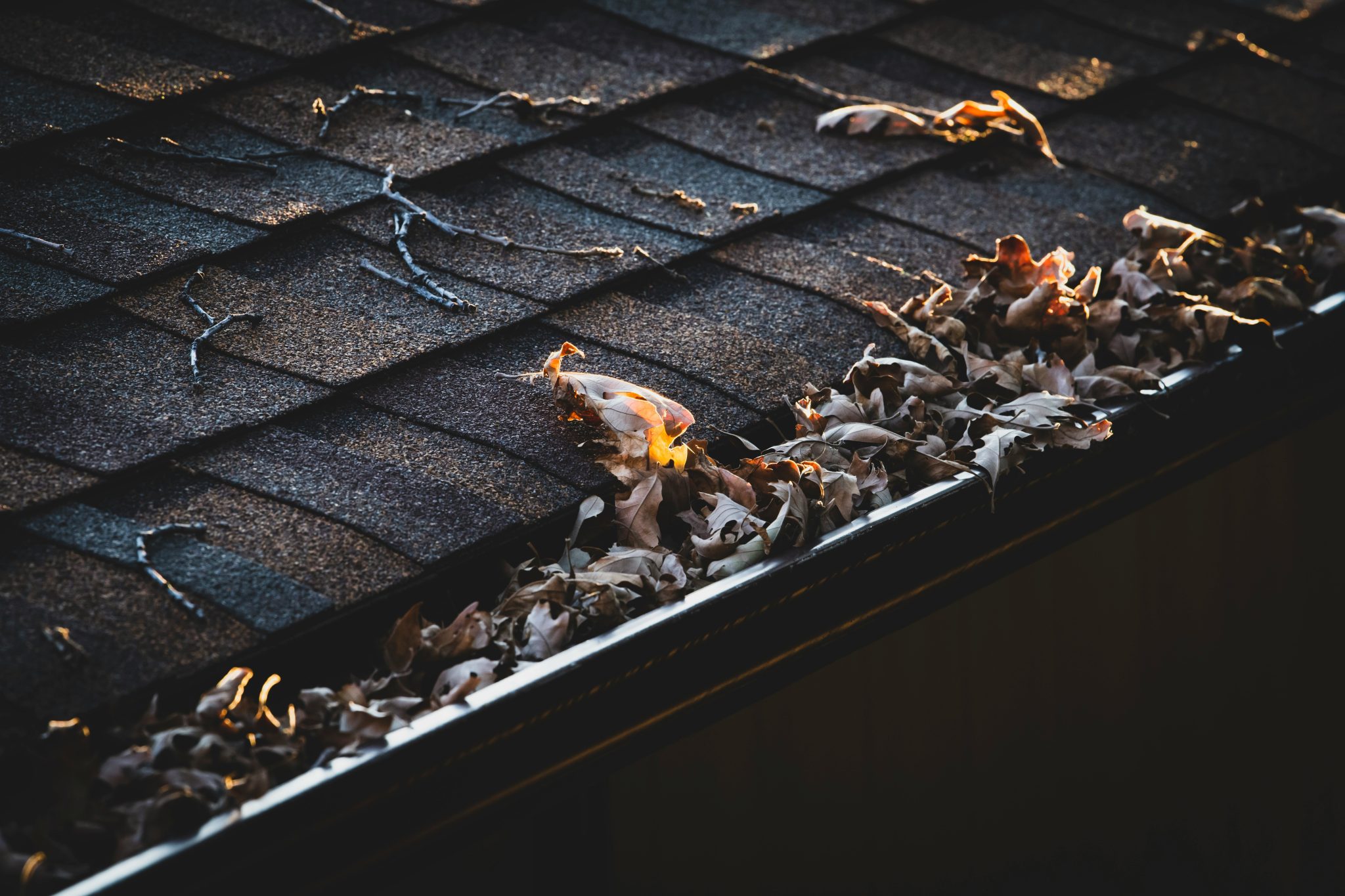
Rain gutters rarely get much attention until something goes wrong. A wet basement after a spring storm, mulch washed into the driveway, peeling paint near the fascia, or icy patches forming where runoff should never reach, those are the moments homeowners start looking up at the roofline and realizing the gutter system matters more than they thought. In a place like Hackettstown, where homes range from older colonials and capes to newer builds on larger lots, the right gutter setup is not one-size-fits-all.
That is why conversations around Gutter Installation Hackettstown usually come down to two things at once: cost and durability. Most homeowners do not want the cheapest possible product if it will fail in a few winters. At the same time, not every house needs a premium copper system with decorative half-round profiles. Good planning is less about buying the most expensive option and more about matching the system to the house, the roof, the tree cover, and the owner’s tolerance for maintenance.
I have seen modest homes protected beautifully by well-installed aluminum gutters, and I have seen expensive homes suffer water damage because someone cut corners on pitch, downspout placement, or fastening. Price matters, but installation quality matters just as much. A poorly pitched gutter made from premium metal still overflows. A properly sized, well-secured gutter made from a practical material can serve a house for years.
What homeowners in Hackettstown are really paying for
When people ask for a quote on Gutter Installation, they often assume they are buying lengths of metal attached to the edge of the roof. That is part of it, but not the full story. The real cost includes material, labor, fabrication, hangers, end caps, outlets, downspouts, elbows, splash Gutter Installation Hackettstown control, disposal of old gutters if needed, and the experience required to make the whole system work in real weather.
Hackettstown’s seasonal swings put pressure on gutters. Heavy summer downpours test capacity. Fall leaves clog unprotected runs. Winter freeze-thaw cycles stress seams and brackets. That means a bargain installation that looks fine on day one can become expensive by year three if the system loosens, leaks, or dumps water too close to the foundation.
Roof shape has a huge effect on price. A simple ranch with straight eaves is quicker and cheaper to outfit than a house with dormers, multiple valleys, garages, porches, and several roofline transitions. Height matters too. A one-story section is easier to access and safer to work on than a steep two-story rear elevation over landscaping or a walkout basement.
Then there is drainage planning. Some houses only need basic downspout placement. Others need extra outlets because long runs collect too much water, or extensions because downspouts currently empty too close to walkways. If a homeowner wants buried drain lines or rain barrels tied in cleanly, that changes the scope.
The best quotes break these details down clearly. If a price feels suspiciously low, it often means something important is being skipped, thinner material, fewer hangers, less careful flashing work, or limited attention to water discharge.
The budget-friendly end of the market
For many homes in Hackettstown, the sweet spot is standard seamless aluminum. It is popular for good reason. It is lighter than steel, more affordable than copper, available in many colors, and performs well when installed properly. Seamless fabrication also reduces leak points compared with older sectional systems.
This is the level where most practical homeowners start, and often where they end up. On a straightforward home, aluminum gives a solid balance of cost, appearance, and lifespan. The key is not just buying aluminum, but buying the right gauge and making sure the installer uses strong hidden hangers spaced appropriately for local conditions.
Cheaper sectional vinyl systems do exist, and they appeal to homeowners focused on upfront savings. In my experience, they can work on very small sheds, detached garages, or temporary situations, but they are rarely the best long-term answer for a primary residence in this climate. Cold weather can make them brittle. Seams can separate. Sun exposure can age them unevenly. Labor savings disappear quickly when repairs begin.
A homeowner on a tight budget is often better served by installing a smaller area correctly now and phasing additional work later, rather than covering the whole house with a system that will struggle after a few seasons.
Where mid-range options deliver the best value
The middle of the market is where most smart investments happen. This is not flashy territory, but it is where performance usually improves the most for the money spent. Heavier-gauge aluminum, oversized gutters where roof runoff demands it, better downspout planning, and quality gutter guards in leaf-prone areas can all make a visible difference.
I often think of this range as the “less hassle over time” category. Homeowners are not paying for prestige materials. They are paying to reduce overflow, sagging, clogs, and repeat service calls.
For example, many houses in Hackettstown sit near mature trees. Standard five-inch gutters may be sufficient on some elevations, but on long roof runs or steeper roof planes, six-inch gutters paired with larger downspouts can handle storms more calmly. That upgrade is not necessary for every home, but on the right roof it can prevent the all-too-common problem of water jumping the gutter during intense rain.
Gutter guards also fit into this mid-range value zone, though they are not miracle products. Some work well with certain leaf types and roof conditions. Others create unrealistic expectations. The best reason to install guards is not to eliminate maintenance forever. It is to reduce the frequency and severity of clogs, especially in areas where pine needles, helicopters, or heavy leaf drop overwhelm open gutters.
Premium systems and when they make sense
At the top end, homeowners may consider galvanized steel, specialty finishes, or copper. These systems cost more, sometimes much more, but they can be worthwhile under the right conditions.
Copper is the obvious premium choice. It has striking curb appeal, especially on historic or architecturally distinctive homes. It develops a patina over time, and when installed well, it can last for decades. Still, copper is not a budget decision. It is usually chosen because the homeowner values its appearance and long-term character, not because it is the most cost-efficient path for every house.
Steel can be a strong option where extra impact resistance matters, though it comes with trade-offs involving weight and potential corrosion if coatings fail over time. For some homeowners, especially those who dislike the lighter feel of aluminum and want something more robust, it can be attractive. But proper installation is even more important because the material places more load on the fascia and support hardware.
Premium systems also tend to involve more detail work. Decorative brackets, custom conductor heads, half-round profiles, and specialty colors all add labor and fabrication complexity. On the right home, those details elevate the exterior. On the wrong home, they can be expensive features that do little to improve function.
A practical way to think about price tiers
The easiest way to compare options is to focus on what changes as the budget rises. Material is only one variable. Capacity, fastening, finish quality, and maintenance burden all shift too.
- Entry level usually means basic aluminum or vinyl, standard sizing, fewer upgrades, and a focus on low upfront cost.
- Mid-range usually includes seamless aluminum, stronger hangers, better sizing decisions, improved downspout planning, and optional guards.
- Upper mid-range often adds oversized systems, thicker material, premium color matching, and selective drainage improvements.
- Premium usually involves steel, copper, specialty profiles, decorative details, or extensive custom work.
- High-end custom projects may combine premium metalwork with underground drainage, architectural accents, and historic-home detailing.
Those categories are not rigid, and any good Gutter Installation Hackettstown contractor should explain where your house actually fits. A small, simple home may not benefit from upper-tier upgrades. A larger house with repeated drainage issues may justify them easily.
Why installation quality matters more than brochures
Manufacturers sell material. Installers solve water problems. That distinction matters.
A gutter can only work if it has the right pitch. Not dramatic pitch that looks crooked, but enough subtle fall to move water consistently toward outlets. Downspouts have to be placed where they can actually relieve volume. Hangers have to hold under snow load and ice. End caps and miters have to be sealed and supported. Fascia boards need to be solid enough to accept the new system. If the wood behind the old gutters is rotted, installing over it is asking for trouble.
One of the most common mistakes I see is underestimating roof valleys. Valleys concentrate runoff fast. During a hard storm, one valley can overwhelm a standard gutter section if the installer did not account for that concentrated flow. In those spots, a larger outlet, a wider gutter, an additional downspout, or even a diverter may be the difference between clean drainage and water sheeting over the edge.
Another issue is discharge. A downspout that empties right beside the foundation is not solving the problem, it is relocating it. In older neighborhoods around Hackettstown, where grading may have shifted over time and some foundations are more vulnerable, downspout extensions or tied-in drain solutions can protect against costly moisture problems.
Matching the gutter system to the house
A 1950s ranch, a Victorian-style home, and a newer two-story colonial should not automatically receive the same recommendation. The architecture and drainage pattern matter.
Older homes sometimes have fascia conditions that need repair before new gutters go up. They may also have trim details that influence the gutter profile. Half-round gutters, for instance, can suit historic designs beautifully, but they are a design decision as much as a drainage one. Newer homes often lean toward K-style gutters because they hold more water for their size and blend with standard rooflines.
Tree cover changes things significantly. A house tucked among mature oaks may need a different guard strategy than a house in a more open development. Roof pitch changes things too. Steeper roofs dump water faster. Long runs without enough outlets can become problem areas during sudden storms.
Then there is aesthetics. This is not just vanity. Color matching matters because gutters run along the most visible edge of the roof. A well-chosen gutter color can disappear into the trim. A poor color match can make even a solid installation look like an afterthought.
The hidden costs of going too cheap
There is a difference between being budget-conscious and being penny-wise in the wrong place. The cheapest quote often excludes the things that prevent future headaches.
Thin material dents more easily and may oil-can visually. Too few hangers lead to sagging. Poorly placed seams become leak points. Inadequate downspouts leave the gutters full during storms. Basic splash blocks may be fine in some locations, but not where runoff repeatedly crosses a sidewalk or pools near a foundation wall.
I once looked at a home where the owner had chosen the lowest bidder just two years earlier. The gutters themselves were not the issue. The problem was the shortcuts: long unsupported spans, undersized downspouts, and one rear corner that had clearly never drained properly. The owner ended up paying for removal and replacement far sooner than expected. Spending a bit more at the start would have cost less overall.
That is the calculation homeowners should keep in mind. The cheapest installation is not always the lowest-cost ownership experience.
Signs your current gutters are due for replacement
Some systems only need repair. Others are telling you they are done. If seams separate in multiple places, if sections pull away from the fascia, or if rust and recurring leaks show up year after year, patching becomes temporary at best.
Look closely for these warning signs:
- Water spills over the edge during ordinary rain, not just extreme storms.
- Gutters sag or pull away, especially near corners and downspouts.
- Paint peels, fascia wood softens, or staining appears under the roofline.
- Cracks, seam failures, or repeated leaks keep returning after repairs.
- Soil erosion or basement dampness shows up near discharge points.
Those symptoms do not always mean full replacement is the only answer, but they usually mean the system deserves a serious inspection. A contractor who only talks about selling new gutters without checking fascia condition, drainage paths, and roof runoff patterns is skipping half the job.
Getting an estimate that actually helps you decide
A useful estimate should do more than give a single number. It should help you understand the choices. Ask what material is being proposed, whether the gutters are seamless, what size is included, how many downspouts are planned, what hanger spacing will be used, and whether removal of old materials is part of the price.
You should also ask how the installer handles problem areas such as valleys, long runs, or heavy leaf zones. If guards are recommended, ask why that specific style fits your roof and tree conditions. If oversized gutters are suggested, ask what runoff issue they are meant to address. Good answers are usually specific. Vague answers are often a warning sign.
It helps to get more than one estimate, but the goal is not simply to pick the lowest number. Compare scope carefully. One bid might include six-inch seamless aluminum with upgraded downspouts and haul-away. Another might be basic five-inch material with fewer accessories. Those are not equal offers, even if the line item says “gutter installation” on both.
Timing the project in Hackettstown
Homeowners often wait until gutters fail dramatically, but timing matters. Late summer and early fall are busy periods because people notice problems before leaf season and winter. Spring is also active after snow and ice expose weaknesses. If you can plan the work before the rush, scheduling is usually easier and you have more room to compare options.
Weather matters too. Installation on dry days is always preferable. If fascia repairs Gutter Installation Hackettstown are needed, that can extend the timeline. On larger homes or projects involving guards and drainage improvements, crews may need more than a single day. That is normal. Rushing a roofline job rarely improves the outcome.
If you are selling a home, new gutters can improve curb appeal and reassure buyers who notice drainage issues quickly during inspections. If you are staying long term, it often makes sense to spend a little more for the system you actually want rather than repeating the process sooner than expected.
How to balance budget, lifespan, and maintenance
The best Gutter Installation choice is rarely the cheapest or the most expensive. It is the one that fits the house and the owner’s priorities.
If you plan to stay in your home for many years, seamless aluminum with thoughtful sizing and solid hardware is often a smart baseline. If your lot has heavy tree cover, a guard system may save enough maintenance hassle to justify the cost. If your home has historical character or you care deeply about architectural detail, premium materials may make sense far beyond pure function.
For rental properties or homes being prepared for sale, the equation may be different. You may value clean appearance and reliable short- to mid-term performance more than premium materials. That does not mean cutting corners. It means choosing durable practicality.
The useful question is not, “What is the cheapest gutter system available?” It is, “What level of performance do I need, and what will it cost to avoid recurring water issues?” Once homeowners frame it that way, the path gets clearer.
A solid Gutter Installation Hackettstown project protects siding, fascia, landscaping, walkways, and foundations. It reduces maintenance, prevents water from ending up where it should not, and makes the home easier to live with through every season. Whether the budget is modest or generous, there is usually a good option available. The difference lies in knowing where to spend, where to simplify, and when a small upgrade today can prevent a much bigger repair tomorrow.
Just Gutters LLC
Address: 262 Main St, Hackettstown, NJ 07840
Phone number: +12013319454
FAQ About Gutter Installation Hackettstown
Can I install a gutter myself?
Yes, you can install gutters yourself. DIYers typically use aluminum or vinyl sections from home improvement stores. The project requires basic tools, precise measuring, and comfort working on ladders. Key steps include snapping a chalk line for a slight slope (1/4 inch per 10 feet toward downspouts), securing hangers every 2 feet, and caulking all joints securely.
How much does body contouring usually cost?
The Home Depot typically charges between $1,000 and $3,600 for a standard professional gutter installation on a typical single-family home with 200 linear feet of gutters. Calculated on a per-foot basis, the cost usually ranges from $5 to $18 per linear foot, highly dependent on the material you select.
How much does a 40 ft seamless gutter cost?
A 40 ft seamless gutter run will cost between $240 and $1,120+ fully installed, depending on the material you choose. Because seamless gutters require specialized on-site fabrication machines, they are rarely sold as DIY kits and are priced per linear foot.